
The job market has changed significantly over the past few years. Earning a degree alone is no longer enough, and collecting dozens of random certificates doesn’t automatically make your resume stand out. Recruiters are looking for candidates who can demonstrate practical skills that match real business needs.
That doesn’t mean certifications have become useless. The right certifications can strengthen your profile, validate your knowledge, and help you build the foundation needed for in-demand careers. The key is choosing certifications that teach practical skills rather than simply adding another PDF to your resume.
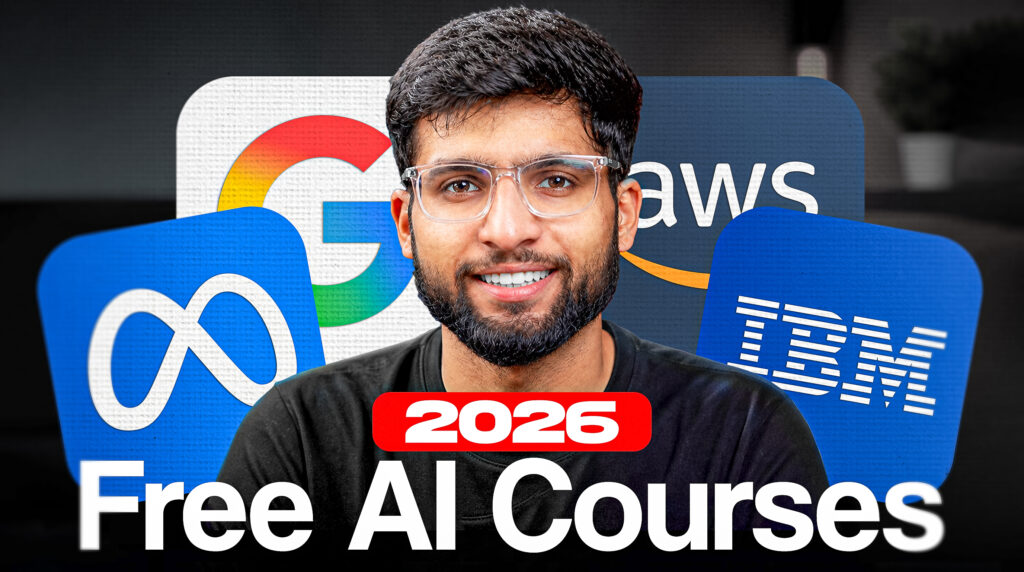
If you’re a student, recent graduate, or working professional looking to upskill, here are five free certifications that are genuinely worth considering in 2026.
1. IBM AI Fundamentals
Artificial Intelligence has become part of almost every industry. Developers use AI to write code faster, marketers use it to create content and advertising campaigns, analysts use it to generate insights, and businesses rely on AI for automation and decision-making.
However, many people know how to use AI tools without understanding the technology behind them.
IBM’s AI Fundamentals certification helps bridge that gap by teaching the core concepts in a beginner-friendly way.
What you’ll learn
• Fundamentals of Artificial Intelligence
• Basics of Machine Learning
• Common AI applications across industries
• Ethical considerations and limitations of AI
• How AI models work at a high level
Why it matters
Companies increasingly expect employees to understand AI concepts instead of simply using AI tools. Having this foundational knowledge makes it easier to adapt as new AI technologies continue to emerge.
Skills you’ll gain
• Better understanding of AI systems
• Confidence discussing AI during interviews
• Ability to integrate AI into daily workflows
• Strong foundation for advanced AI learning
2. Google Data Analytics
Every modern business generates enormous amounts of data.
The challenge isn’t collecting information.
It’s turning that information into meaningful decisions.
Google’s Data Analytics certification introduces the complete data analysis process and teaches beginners how organizations use data to improve products, marketing, and business performance.
What you’ll learn
• Data collection and cleaning
• Organizing datasets
• Data visualization
• Basic statistical analysis
• Reporting and dashboards
• Business decision-making using data
Why it matters
Organizations value people who can understand customer behavior, measure business performance, and support decisions with evidence instead of assumptions.
Skills you’ll gain
• Data analysis
• Report creation
• Insight generation
• Business problem-solving
• Analytical thinking
3. AWS Cloud Practitioner or Microsoft Azure Fundamentals
Almost every modern application today runs on cloud infrastructure.
Whether it’s Netflix, Spotify, Amazon, or your favorite startup, cloud platforms power the internet behind the scenes.
Understanding cloud computing has become an important skill for developers, IT professionals, and even product managers.
AWS Cloud Practitioner and Microsoft Azure Fundamentals are two excellent beginner certifications.
What you’ll learn
• Cloud computing concepts
• Virtual servers
• Networking basics
• Cloud storage
• Security fundamentals
• Deployment models
• Scalability concepts
Why it matters
Understanding cloud infrastructure helps you understand how modern applications are built, deployed, and maintained in production environments.
Skills you’ll gain
• Cloud terminology
• Infrastructure basics
• Deployment knowledge
• Better understanding of modern software systems
4. Google Digital Marketing Certification
Technical skills alone aren’t always enough.
Whether you’re building products, freelancing, running a startup, or working for a company, understanding how users discover and interact with products is incredibly valuable.
Google’s Digital Marketing certification introduces the fundamentals of online growth.
What you’ll learn
• Search Engine Optimization (SEO)
• Content marketing
• Customer acquisition
• Conversion optimization
• Digital advertising basics
• Marketing analytics
Why it matters
Companies appreciate professionals who understand both product development and user growth. Even developers benefit from understanding how products attract and retain customers.
Skills you’ll gain
• SEO fundamentals
• Growth marketing knowledge
• User behavior analysis
• Digital campaign understanding
• Product growth thinking
5. Meta Python Programming
Python remains one of the most useful programming languages in 2026.
It powers web development, automation, artificial intelligence, data science, scripting, cybersecurity, and countless backend systems.
Meta’s Python Programming certification offers an excellent starting point for beginners.
What you’ll learn
• Python syntax
• Variables and functions
• Loops and conditions
• Data structures
• Problem-solving
• Writing practical programs
Why it matters
Python opens doors to multiple career paths and provides a strong technical foundation for learning advanced technologies like AI, automation, and backend development.
Skills you’ll gain
• Programming fundamentals
• Logical thinking
• Automation skills
• Software development basics
• Project-building experience
Why These Certifications Stand Out
These aren’t random certifications collected simply to fill a resume.
Together, they build knowledge across five essential areas:
• Artificial Intelligence
• Data Analytics
• Cloud Computing
• Digital Marketing
• Programming
These skills complement each other and provide a solid foundation for a wide variety of technology careers.
For example, a developer who understands cloud infrastructure, AI, and digital marketing can contribute far beyond writing code. Similarly, analysts who know Python and AI can automate workflows and solve more complex problems.
How to Get the Most Value From These Certifications
Completing the course is only the first step.
To make these certifications meaningful:
• Build at least one project after each course.
• Share your work on GitHub or a portfolio website.
• Write LinkedIn posts explaining what you learned.
• Practice the concepts regularly.
• Continue learning beyond the certification syllabus.
Real projects demonstrate your abilities far more effectively than certificates alone.
Final Thoughts
Certifications can strengthen your learning journey when they’re chosen carefully and backed by practical experience.
Instead of collecting dozens of unrelated certificates, focus on building expertise in areas that complement one another.
Start with one certification that aligns with your career goals, complete it thoroughly, apply what you’ve learned through real projects, and then move on to the next.
A certificate may help validate your knowledge, but your projects, consistency, and ability to solve real problems are what ultimately make you stand out.